restore your car's performance through Denver Car Repair
Back on the Road With Certainty - Reliable Auto Repair
Quality auto repair upholds safe and strong vehicle operation. A established shop provides thorough services, from periodic inspections to urgent repairs. Figuring out when a car needs attention can be demanding. Many drivers struggle to locate trustworthy mechanics. Scheduled maintenance plays an important role in boosting your car's durability. Yet, the issues involving expenses and connecting with technicians can leave one perplexed. What tactics can drivers employ to keep their vehicles in proper driving shape?
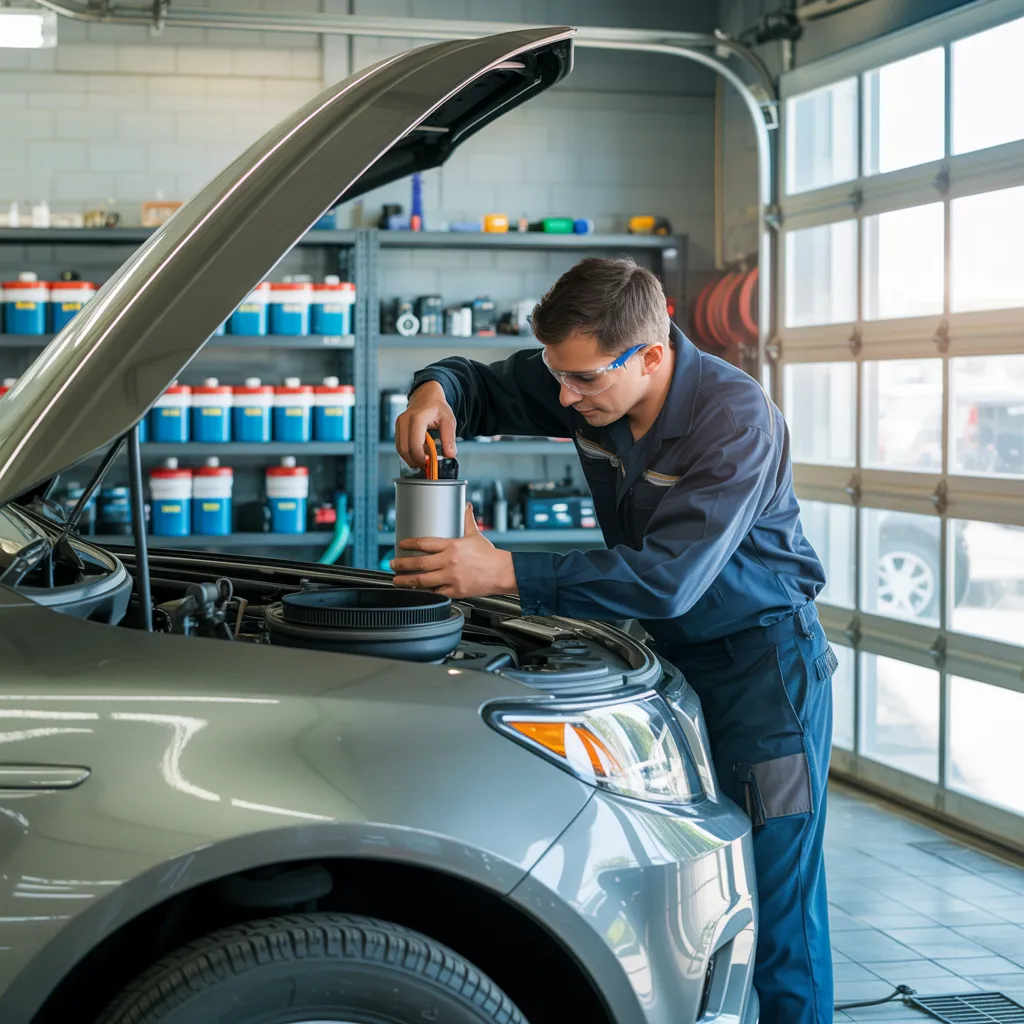
Identifying When Your Car Requires Service
How can one figure out when a vehicle requires attention? There are several key indicators that signal a repair necessity. Unusual noises, such as grinding or squeaking, often indicate brake or engine troubles. Warning lights on the dashboard, especially the check engine light, should not be ignored, as they warn of potential problems that need immediate investigation. Moreover, a decrease in performance, such as sluggish acceleration or difficulty starting, can also suggest underlying mechanical issues.
Visual indicators, such as fluid leaks or uneven tire wear, are further indications that servicing is required. If the vehicle drifts to one direction while driving, this could indicate alignment problems or tire complications. Consistently tracking these elements can help guarantee prompt maintenance, avoiding more significant damage and expenses in the future. Overall, being observant and proactive is crucial for maintaining vehicle health.
How to Identify a Dependable Auto Repair Shop
Locating a trustworthy auto repair shop can be a challenging task for car owners. To begin, individuals should seek recommendations from associates, family, or coworkers. Own experiences often convey valuable insights into a shop's quality of service. Internet-based reviews and marks on platforms like Yelp or Google can also help gauge customer satisfaction.
Next, validating certifications and affiliations with helpful resource established sector bodies, such as the Automotive Service Excellence (ASE), can highlight a shop's investment in quality benchmarks. It is suggested to tour likely candidates for an starting consultation, letting clients to assess cleanliness, organization, and customer service.
Moreover, obtaining documented quotations before any work commences can avert misunderstandings concerning costs. Finally, a reliable shop should be candid about its services and willing to discuss repairs. By executing these steps, vehicle owners can raise their chances of locating a trustworthy auto repair shop.
The Significance of Regular Car Upkeep
While many car owners may ignore regular maintenance, regular vehicle maintenance is essential for guaranteeing a car's lifespan and peak performance. Skipping upkeep can lead to a cascade of issues, from minor inconveniences to major failures. Regular inspections, such as oil changes, tire turns, and brake inspections, can prevent costly repairs and improve safety on the road.
Moreover, regular maintenance helps preserve a vehicle's gas mileage, lowering overall expenses. It also preserves the resale value; a properly serviced car is often more attractive to potential customers.
Taking part in scheduled maintenance builds a sense of ownership among owners, motivating them to keep informed about their vehicle's maintenance needs. By focusing on regular care, vehicle owners not only preserve their investment but also help overall road safety. Ultimately, consistent maintenance routines is a strategic initiative that serves both the owner and the broader community.
Understanding Maintenance Costs
Comprehending maintenance costs might often prove perplexing for vehicle proprietors. Diverse elements influence these costs, encompassing labor charges, component values, and the degree of difficulty in the repair job. Labor fees vary broadly across various locations and establishments, usually demonstrating the technician's experience and the shop's operational expenses. In addition, the type of parts used—if original equipment manufacturer (OEM) or replacement alternatives—may significantly shape the ultimate bill.
Vehicle type and years also factor in to costs; rare or vintage models may require specialized parts that are more expensive and more difficult to find. Moreover, unforeseen problems can occur during maintenance work, leading to additional costs that were not initially anticipated. By developing fundamental knowledge of these elements, vehicle owners can address repair assessments with greater confidence and establish well-reasoned conclusions regarding their vehicle requirements.
How to Precisely Convey Car Problems to Your Technician
Effectively communicating car issues to a mechanic can greatly enhance the assessment and repair process. When explaining issues, car owners should be detailed about symptoms, such as strange sounds, vibrations, or warning lights. Providing information on when the problem occurs—whether during acceleration, braking, or running at rest—can also assist the technician pinpoint the issue.
It is useful to track any new changes in driving habits or maintenance history. Using clear, straightforward language eliminates ambiguity, assisting the repair specialist to understand the circumstances better. Car owners should avoid using complex terminology unless they are confident of its meaning.
In addition, presenting evidence, such as service records or previous repair invoices, can establish context. A well-defined account not only accelerates swift diagnosis but also encourages a collaborative relationship between the car owner and the mechanic, ultimately ensuring effective repairs.
Developing a Enduring Association With Your Auto Repair Shop
Establishing a lasting relationship with an auto repair shop depends on confidence and transparency. Reliable high-quality service strengthens this connection, while open dialogue lines ensure that customers feel listened to and appreciated. Together, these factors establish a partnership that benefits both the customer and the technician.
Create Trust Using Openness
When clients feel well-informed about the services their vehicles need, faith naturally forms between them and their auto repair shop. Transparency in communication is necessary; it enables clients to understand the reasoning behind recommended repairs and maintenance. Auto repair shops that provide comprehensive explanations, transparent estimates, and open conversations create a sense of trust among their clientele. This openness not only simplifies the repair process but also empowers customers to make educated decisions. Moreover, sharing information about the shop’s qualifications, warranties, and service history strengthens credibility. By emphasizing transparency, auto repair shops can develop lasting relationships, encouraging customer retention and loyalty. Ultimately, trust through transparency opens the door for a more fulfilling and dependable auto repair experience.
Consistent Quality Service
Consistent quality service is the bedrock of a permanent connection between customers and their repair shop. When customers obtain reliable and efficient repairs, they are more likely to return for future maintenance. This steadiness generates trust, allowing customers to feel confident in the expertise of the technicians. Over time, as customers view the same high standards being upheld, a sense of devotion develops. Quality checks executed routinely and observance to industry standards guarantee that vehicles are not only repaired but also cared for to prevent future issues. Such commitment to excellence creates an environment where customers sense worth, knowing their vehicles are in capable hands. Ultimately, this commitment to consistent quality service strengthens the bond between auto repair shops and their clientele.
Establish Communication Pathways
Effective communication serves as an essential connection between customers and their auto repair shops, enhancing trust and comprehension. Transparent communication pathways establish a collaborative environment where patrons feel valued and informed. When repair shops provide lucid accounts about work performed, expenses, and timelines, customers can make superior determinations about their automobiles. Regular updates during repairs can alleviate anxiety and forge confidence in the shop's expertise. On the other hand, customers who voice their reservations and desires contribute to a more personalized engagement. This reciprocal exchange not only strengthens relationships but also encourages allegiance. By prioritizing transparent interchange, auto repair shops can establish a reputation for reliability, making certain that customers revisit for subsequent needs, confident in the service they will receive.
Common Questions Posed Often
What Actions Should I Take if My Car Breaks Down Suddenly?
When a car malfunctions abruptly, the driver should carefully move to the side of the road, turn on hazard lights, evaluate the situation, and contact roadside assistance or a tow service if needed. Staying calm is crucial.
How Can I Identify if a Mechanic Is Reliable?
To assess a mechanic's trustworthiness, one should check reviews, ask for referrals, verify qualifications, and notice openness in costs. A trustworthy technician will speak plainly and provide detailed explanations of necessary repairs and work.
Do guarantees cover auto repairs work?
Many auto repair shops offer warranties on their work and components, typically spanning 90 days to several years. Customers should inquire about specific details and requirements to guarantee adequate protection for their repairs.
What Essentials Should I Store in My Car for Emergencies?
A adequately supplied car should contain a spare tire, jack, jumper cables, flashlight, first aid kit, basic tools, and tire pressure gauge. These requirements help guarantee safety and address minor issues during unexpected emergencies on the road.
What Steps Should I Take to Get My Car for Seasonal Changes?
To make ready a car for seasonal changes, one should check liquid amounts, inspect tires for tread and pressure, check the power source, replace wipers, and make certain lights work correctly for best safety and operation.